


Figure 1. AI-enabled customer operations can unify calls, messaging, web inquiries, scheduling, payments, and routing into one intelligent operating layer.
Introduction
The front desk has always been more than a counter. In dentistry, medicine, wellness, hospitality, and other customer-facing environments, it is the first human touchpoint, the first operational filter, and often the first impression of the entire organization. A patient who is greeted with confidence feels safer. A customer whose question is answered quickly feels valued. A staff member who can rely on clear workflows has more time for the interactions that truly require judgment, empathy, and trust.
A new class of AI-enabled, human-like front-desk technologies is beginning to emerge. These systems may take the form of avatars, kiosks, volumetric displays, conversational agents, or holographic customer-service presences that sit at or near the reception area. In general terms, the purpose is not to remove the human element from the business. The more meaningful objective is to protect it: to allow staff to spend less time repeating routine instructions and more time providing thoughtful service where human involvement matters most.
From Reception Desk to Operating Layer
Traditional front desks are asked to manage an expanding range of tasks. They answer calls, greet visitors, schedule appointments, confirm information, route records, collect forms, explain policies, support payments, manage cancellations, respond to emails and messages, and calm frustrated customers. In many practices and businesses, this work is performed while the staff is simultaneously managing live patients, incoming calls, digital messages, and clinical or operational interruptions.
Human-like AI front-desk systems can transform this environment by becoming an operating layer rather than a simple screen. A well-designed system can greet a person, acknowledge arrival, guide check-in, support checkout, help direct forms, organize appointment requests, provide approved education, and route more sensitive issues to the appropriate team member. The result is not a colder experience; if designed correctly, it can make the front desk feel more responsive, more consistent, and more available.
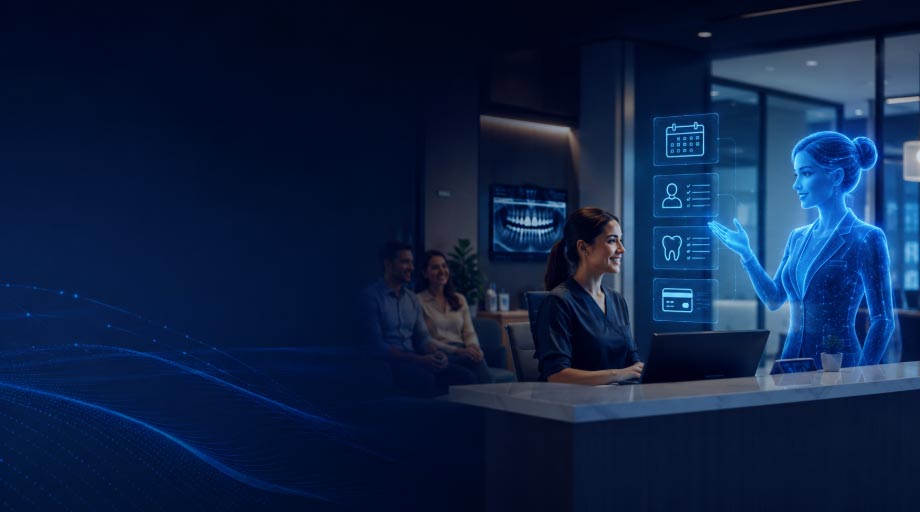
Figure 2. A human-like front-desk presence can acknowledge patients, support the team, and create a more modern arrival experience.
Benefits Across the Customer Journey
The benefits of this emerging category are broad. First, these systems can help capture missed opportunities. Calls, texts, website forms, and after-hours inquiries often arrive when staff are unavailable or occupied. A front-desk AI presence can help capture intent, structure the request, and route the information so that the business can follow up instead of losing the opportunity.
Second, these systems can reduce front-office workload. Repetitive questions about hours, forms, directions, payment links, services, preparation, and scheduling can consume a large portion of staff time. When routine matters are handled consistently, staff can redirect attention toward relationship-based and judgment-based interactions.
Third, they can improve consistency. Different employees may explain policies, services, pricing pathways, preparation steps, or post-visit instructions differently. An approved AI workflow can deliver standardized language, reduce variation, and support a more predictable patient or customer experience.
A More Human Experience Through Better Workflow
The most interesting promise is not automation alone. It is the possibility of restoring a more human front-desk experience by removing avoidable friction. A patient who is immediately acknowledged does not feel invisible. A visitor who can complete forms privately feels more in control. A customer who receives a clear next step feels less uncertain. A staff member who receives organized information instead of scattered interruptions can respond with greater professionalism.
Touchscreen or private-screen options may also be important. Some matters should not be discussed loudly at a public counter. A private interaction path can help guide the person to a more discreet method of completing forms, reviewing general information, requesting staff support, or routing a question. This is especially relevant in healthcare-adjacent settings where privacy, dignity, and emotional sensitivity are central to the experience.
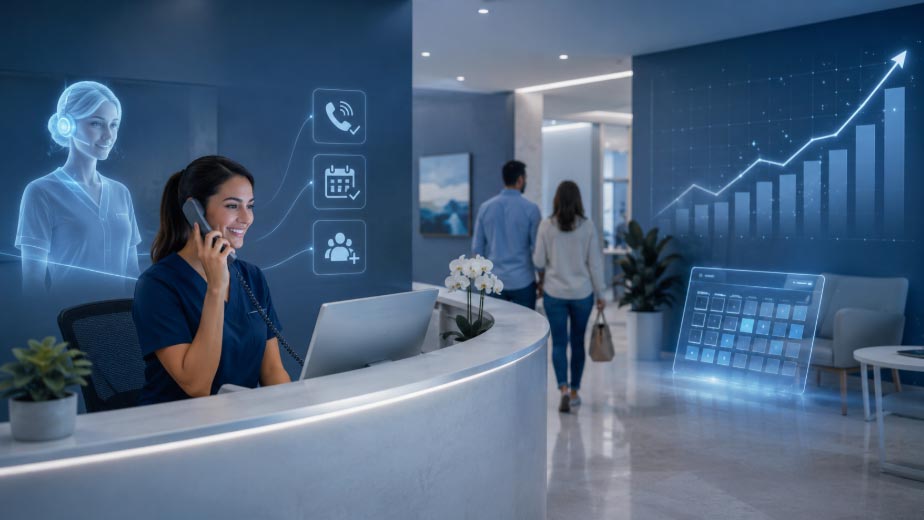
Figure 3. Holographic and avatar-based front-desk systems may support check-in, scheduling, communication, and workflow visibility.
Core Capabilities Likely to Define the Category
Although each product will differ, the category is likely to include a recognizable set of capabilities: greeting and recognition workflows, check-in support, checkout support, scheduling-request capture, billing and payment direction, call and message handling, email and phone inquiry routing, general service education, form guidance, document routing, multilingual support, customer follow-up, and staff escalation. Some systems may integrate through APIs with existing management software, scheduling tools, payment systems, communication platforms, or customer relationship systems, depending on availability, permissions, and configuration.
The more advanced systems may also become more useful over time. By reviewing recurring questions, common bottlenecks, repeated form issues, after-hours patterns, and escalation reasons, a business can refine approved workflows. In this supervised model, the system does not simply act on its own. It becomes more aligned with the business through controlled updates, approved scripts, and clearer routing rules.
Safety, Boundaries, and Professional Judgment
Healthcare and customer-service AI must be designed with boundaries. A front-desk system should not be presented as a clinician, lawyer, financial adviser, or substitute for professional judgment. Its role is best understood as administrative, educational, routing, and operational support. Sensitive, urgent, clinical, complaint-related, financial, uncertain, or out-of-scope matters should be escalated to designated human staff.
This boundary is not a weakness; it is one of the most important design features. The safest systems will be those that know when to stop, when to clarify, and when to involve a person. In healthcare, this distinction is essential. The front desk can be enhanced by AI, but trust still depends on appropriate human oversight, approved content, clear accountability, and careful workflow design.
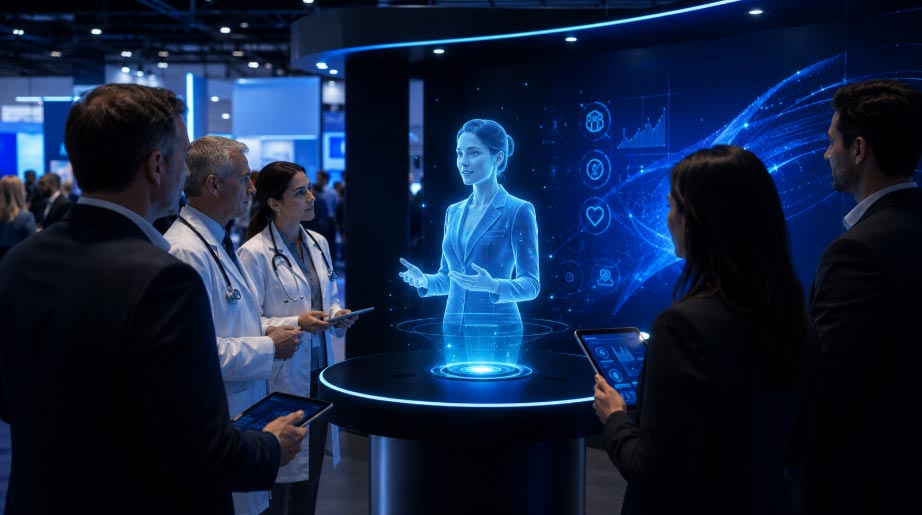
Figure 4. Demonstration environments can help practices, business owners, and partners visualize the front desk as a more interactive operational platform.
Strategic Impact for Practices and Businesses
For dental offices, medical practices, med spas, wellness centers, hospitality organizations, and other service businesses, the front desk is becoming a strategic environment. It affects patient perception, customer retention, appointment flow, collections, reputation, staff morale, and revenue opportunity. A more responsive front desk can help a business feel larger, more organized, and more accessible without requiring every routine interaction to depend entirely on live staff capacity.
The potential benefits include missed-inquiry capture, faster response, 24/7 availability, front-office workload reduction, labor-pressure mitigation, staff-turnover resilience, consistent communication, improved first impressions, private document workflows, scheduling support, payment direction, billing and administrative routing, patient or customer education, human escalation, analytics, operational insight, multilingual access, private-label presentation, scalability across locations, and ongoing workflow optimization.
The next generation of front-desk technology should therefore be evaluated not by whether it looks impressive, but by whether it strengthens the core of the business. The best systems will not make customer service less human. They will help the human team become more present, more informed, and more available for the moments that matter.
Conclusion
Human-like holographic and AI-enabled front-desk systems represent a meaningful shift in how businesses may organize customer interaction. They are not merely futuristic displays. They are early expressions of a broader movement toward customer-facing operations platforms that combine presence, workflow, information, routing, and escalation.
If developed responsibly, these technologies may revolutionize the front desk by making it more responsive, more consistent, and more human-centered. The front desk of the future may not be defined by replacing people, but by giving people better support. It may be a place where technology greets, organizes, routes, and informs, while the human team remains available for empathy, judgment, and relationship. That balance is where the real revolution may occur.
Author Note: Dr. Kianor Shah is a dentist, lecturer, entrepreneur, and healthcare innovation strategist with interests in artificial intelligence, patient experience, implant dentistry, business operations, and the future of technology-enabled care delivery.