Artificial intelligence is everywhere today — woven into nearly every aspect of life and conversation. But what is it exactly, what can it do, and more importantly, how can it serve you and your patients?
To understand its role, we should start with definitions. “Artificial” refers to something made by humans rather than occurring naturally, often designed to simulate the real thing. “Intelligence” describes the capacity to learn, reason, adapt, and solve problems — abilities central to understanding and navigating the world. The term “artificial” sometimes carries negative undertones, suggesting something insincere or unnatural, while the word “Augmented” implies enhancement — making something more complete, effective, or capable.
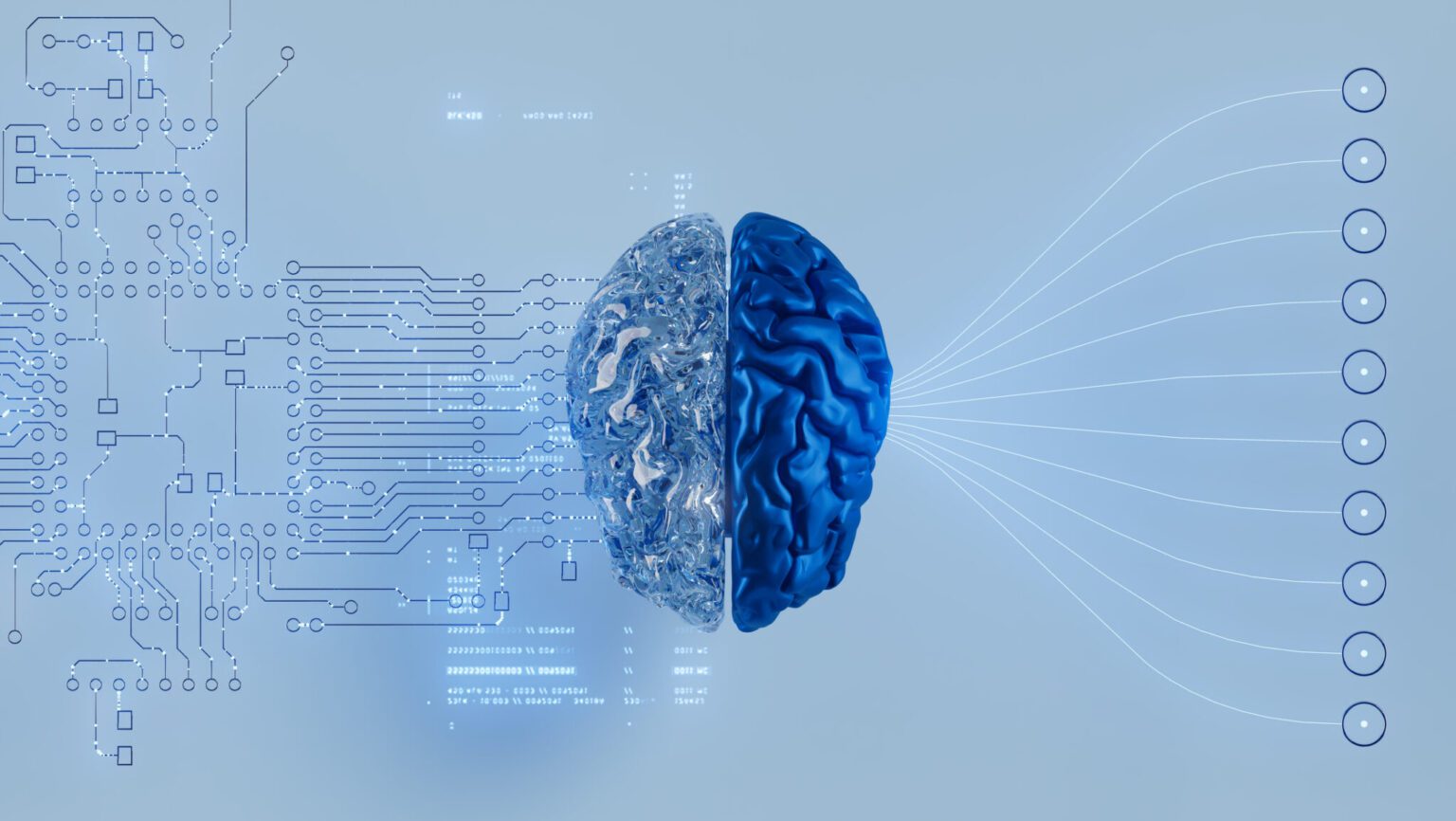
“Artificial intelligence” (AI) is a branch of computer science devoted to developing systems that perform cognitive tasks typically requiring human intellect, such as learning, reasoning, and decision-making. These systems process data, identify patterns, and make predictions that often emulate human thought.
“Augmented intelligence” (AI), by contrast, is human-centric, focusing on collaboration between humans and machines. Instead of replacing human expertise, it enhances it — using advanced analytics and vast computational power to support better judgments and outcomes. In dentistry, this distinction is essential. Our profession thrives on human empathy, intuition, and ethical care. Therefore, dentistry should embrace an augmented, rather than purely artificial, approach — one that integrates machine learning and diagnostic data with the clinician’s judgment and compassion.
Yet this integration raises vital ethical questions. Borrowing inspiration from Isaac Asimov’s “Three Laws of Robotics,” we might propose similar principles for dental AI:
- It must never harm a patient;
- it must follow human direction within that constraint; and
- it must protect its data integrity without violating the first two rules.
Augmented intelligence is a powerful addition to modern dentistry — one that, used ethically and wisely, will amplify human intelligence, empowering both practitioner and patient.
 Sincerely,
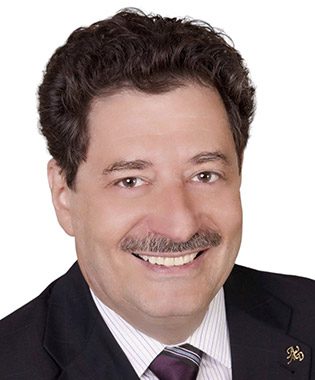
George Freedman BSc, DDS, FIADFE, DiplABD, FAACD, FASDA, FPFA on behalf of the Artificial Intelligence Journal of Medicine and Dentistry (AIMEDENT Journal)
freedman6469@rogers.com